Это произошло в 1999 году. Борис пришел ко мне в студию, потому что собирался записать что-то для своего друга, так мы и познакомились. Он хотел сделать кавер-версию Rammstein, у него была своя группа, и музыкальную часть мы записали без всяких сюрпризов. Но когда он начал петь, я сказал ему: «Ты поешь и говоришь совсем как Тилль!». Он ответил: «Не может быть!», а я сказал: «На мой взгляд, очень похоже». Вот с этого все и началось. Мы решили работать вместе, потому что мне понравилось, как он говорит, как все преподносит на записи. К тому же, меня тоже были некоторые идеи, вот мы и решили сложить его вокальные способности и мои музыкальные идеи вместе.
Почему в качестве названия группы было выбрано Der Bote? В переводе с немецкого это что-то типа «посланник»…
Именно! Своими песнями мы хотим помочь, подсказать выход тем, кто переживает не лучшие времена. Главное действующее лицо наших песен говорит не от своего имени, он словно посланец с некого другого уровня. И именно поэтому мы выбрали такое название. Но, честно говоря, в Германии так иногда называют газеты. И поэтому нам часто приходится объяснять, почему мы выбрали такое название, но слово “der Bote” в немецком языке имеет глубокие корни, это очень старое слово, имеющее глубокий смысл.
Сколько времени ушло на написание материала для альбома? Как происходил этот процесс?
Нужно принимать в расчет тот факт, что мы не встречаемся каждый день. Мы собираемся в студии два-три раза в неделю, потому что и у Бориса, и у меня огромное количество дел и помимо этого проекта. Так что при таком раскладе на написание материала у нас ушло около полугода, и еще полгода ушло на препродукцию.
Ваш российский лейбл CD-Maximum описывает альбом “Kalt!” как “смесь Rammstein и Lacrimosa”. Насколько правильным ты считаешь подобное определение музыки Der Bote?
Да, в известной степени это так. Думаю, они подобрали верное определение. У музыки Der Bote действительно много общего с Rammstein, да и манера исполнения Бориса очень похожа на манеру Тилля, по крайней мере, когда слушаешь в первый раз, создается именно такое впечатление. С другой стороны, в нашей музыке намного больше фанковых элементов и отголосков 70-х, которые мы вплели в Rammstein-подобную музыку. Тексты же и атмосфера альбома больше похожи на музыку Lacrimosa. Но на него оказали большое влияние и такие группы как Megaherz. Так что, скорее, главных влияний три – это Rammstein, Megaherz и Lacrimosa. Хотя в Der Bote можно услышать и элементы старого Pink Floyd времен “Dark Side Of The Moon”, а также старого Earth Wind & Fire.
В записи альбома было занято большое количество сессионных музыкантов. Нет ли планов собрать для Der Bote постоянный состав и сделать из него полноценную концертную группу?
Думаю, мы так и сделаем. Нам бы хотелось, чтобы на гитаре был Виктор Смольский, кстати, он уже дал согласие, на ударных Йорг или Штефан, я буду играть на басу, а на клавишных - наш хороший друг Свен Хармс, который на этом альбоме сделал интро и аутро. Еще нам нужен второй гитарист. Так что состав группы будет насчитывать шесть человек.
А как во время работы в студии вы делили песни между музыкантами? Например, в записи альб
 ома принимало участие трое барабанщиков – как вы решали, что именно Йорг Михаэль будет играть на “Einsam”, а Штефан Шварцман – на “Schuldig”?
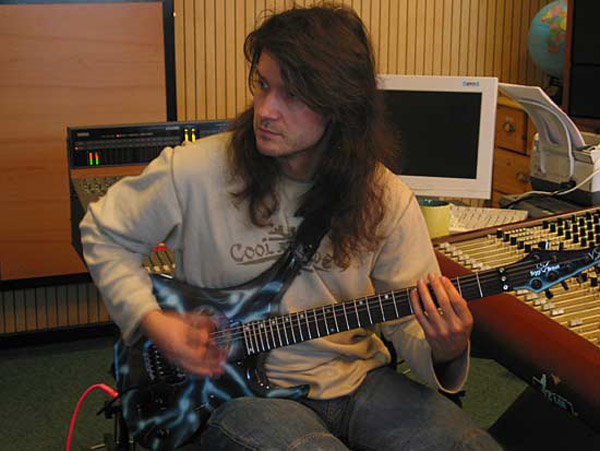
Да, у нас на альбоме было три ударника – Йорг Михаэль, Штефан Шварцман и Ральф Гюстке. Я знаю, что Йорг прекрасно играет прямолинейные роковые вещи, так что мы дали ему альбом, он выбрал себе две песни, и я сказал: «Давай сделаем еще две.” То же самое со Штефаном. Третьему барабанщику, Ральфу, больше нравятся фьюжн-фанковые вещи, и поэтому я решил дать ему более синкопированные треки. Поскольку Борис был уже давно знаком со Штефаном и Йоргом, то атмосфера во время работы была просто превосходной. Мы провели в студии два совершенно замечательных дня. На нашей домашней страничке вы можете найти несколько видео-фрагментов студийной работы. Лично я получаю огромное удовольствие, когда вновь и вновь пересматриваю, как Штефан мастерски играет очень брутальные фрагменты. У Ральфа же совершенно иная манера игры. И если бы Штефан стал играть синкопированный фанк-материал, то… я вовсе не хочу сказать, что он сыграл бы плохо, но Ральф все-таки играет его лучше.
Виктор Смольский сыграл огромную роль в записи этого альбома. Как ты с ним познакомился?
Это все произошло благодаря компании Yamaha. Дело в том, что Виктор в последние лет пять-шесть является эндорсером Yamaha, я же эндорсер Yamaha уже лет сто. Впервые я встретил Виктора на музыкальной ярмарке во Франкфурте в 2002 году. Мы разговорились, почувствовали друг к другу симпатию и даже сделали несколько совместных мастер-классов. А потом он как-то спросил у меня: «Послушай, у тебя ведь есть студия, ты не мог бы смикшировать материал, который я тебе пришлю?» Это была наша первая совместная работа – мы работали над его последним сольником “Majesty & Passion”. Он раздал материал нескольким студиям, а потом сравнил результаты и выбрал лучшее. У меня был не самый лучший звук, но наиболее «музыкальное» микширование. Тогда Виктор пришел ко мне в студию и сказал: «У тебя все прекрасно получилось, но нужно что-то сделать со звуком, он должен быть намного более жестким». Ему понравилось, как я работаю со звуком, и когда мы начали работать вместе, то поняли, что нам интересно сотрудничать. Потом я как-то рассказал ему о Der Bote, и он сказал: «Давай послушаем!». Он прослушал материал, ему сразу понравилось, и тогда я спросил, не хочет ли он сыграть на паре вещей. Он ответил: «Конечно, да!». И с тех самых пор у нас с ним сложились прекрасные рабочие отношения. И, пожалуй, именно ему нужно сказать «спасибо» за то, что мы подписали контракт с CD-Maximum.
На вышеупомянутом сольном альбоме Виктора “Majesty And Passion” ты не только крутил ручки за пультом, но и сыграл на басу. Какие у тебя остались впечатления от работы над этим альбомом? Каково это – работать с оркестром и адаптировать классические композиции для рок-группы?
Это был мой первый опыт работы с оркестром. К тому же альбом создавался очень необычным образом: обычно сначала записывается ритм-секция, а потом оркестр, Виктор же сначала записал оркестр, а его музыкальный размер постоянно меняется – то быстрее, то медленнее. Потом он наложил на запись оркестра ударные, и только потом бас, поэтому этот опыт был для меня совершенно новым: мне приходилось то ускоряться, то замедляться. Я никогда так раньше не работал, пришлось потратить кучу сил и даже научиться думать по-другому. Я очень многое перенял у Викто
 ра в отношении работы над звуком и композициями. Он очень опытный и образованный гитарист.
Скажи, с Виктором легко работать? Многие, причем как в Германии, так и в России, считают Виктора высокомерным…
(Вздыхает). Лично у меня вообще не было с ним никаких проблем. Я бы сказал так – если человек уважает меня, и я отношусь к нему с ответным уважением, то не возникает абсолютно никаких проблем. Виктор совершенно неконфликтен как на музыкальном, так и на личном уровне, по крайней мере, так было со мной. Мы с ним встречались не только в студии, но и в неформальной обстановке, он останавливался у меня дома, а в сентябре мы даже участвовали в совместной акции для Yamaha в Дубайе. У нас не просто рабочие взаимоотношения, мы настоящие друзья. Так что я, наверное, не тот человек, кто сможет рассказать, трудно ли работать с Виктором. На мой взгляд, он полностью погружен в музыку, он настоящий профессионал, у него замечательное звучание, и он многому меня научил. Он мог этого не делать, его никто не заставлял, но он сделал, и это здорово. Так что не могу сказать о нем ничего плохого – с ним всегда было очень легко работать.
Давай вернемся к Der Bote. Вы с Борисом написали практически всю музыку для альбома, к написанию же текстов были привлечены и несколько людей со стороны – Геррит Хеземанн, Ванесса Майнке и Карстен Папе. Кто они, и почему вы решили привлечь к написанию текстов так много людей?
Это получилось само собой. Когда мы записывали первые песни, то не были уверены, что сможем написать верные тексты, а если текст не подходит музыке на сто процентов, то песня получится слабой. Двое моих друзей, Геррит Хеземанн и Карстен Папе – хорошо известные на немецкой сцене авторы, вот я и спросил их, не хотят ли они написать что-нибудь для моего проекта. Так было написано две песни. Но потом мы поняли, что можем справиться с этой задачей и сами, причем это сделает наш проект более индивидуальным, так что в дальнейшем мы с Борисом работали уже самостоятельно. Но в этот процесс был вовлечен еще один человек – Ванесса. Ванесса – девушка Бориса, и она предлагает прекрасные идеи для текстов песен. Борис и Ванесса много беседуют, они ведь живут вместе. У Бориса есть забавная особенность - когда он смотрит на людей, ему всегда интересны их судьбы, и он много говорит об этом с Ванессой. И она часто предлагает идеи, которые могут стать отличной основой для песни, а потом мы с Борисом облекаем ее в слова и рифмы. Вот так мы и работаем, и, по-моему, получается неплохо. Женщины иногда видят вещи совершенно иначе, чем мужчины, и мне хотелось, чтобы в наших песнях фигурировал как женский, так и мужской, то есть мой и Бориса, подход к различным темам и проблемам.
Где происходила фото-сессия для альбома? Фотографии в буклете диска выглядят весьма интригующе…
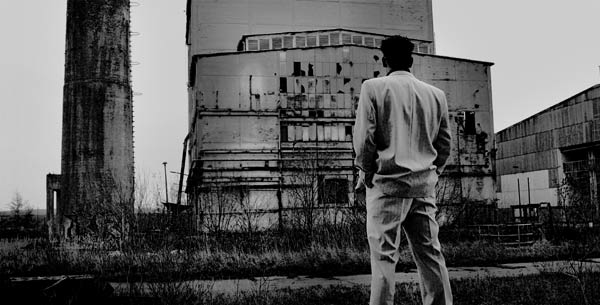
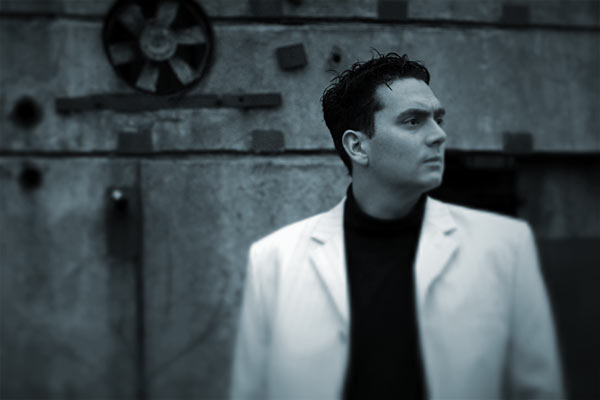
Один из близких друзей Бориса – фотограф, кстати, именно он поддерживает нашу страничку в Интернете. Фотографии, которые вы видите в буклете, были сделаны в Восточной Германии и в США. Старая сгоревшая фабрика, на фоне которой стоит Борис, находится в Восточной Германии. Она выглядит довольно уродливо и является идеальным местом для подобных съемок.
Знаешь, эта старая фабрика очень напомнила нам российские провинциальные пейзажи…
(Смеется). Насколько мне известно, снимки все-таки делались в Штатах и Восточной Германии. Ни Борис, ни я еще
 не были в России, так что ваша страна для всех нас - нечто совершенно неизведанное.
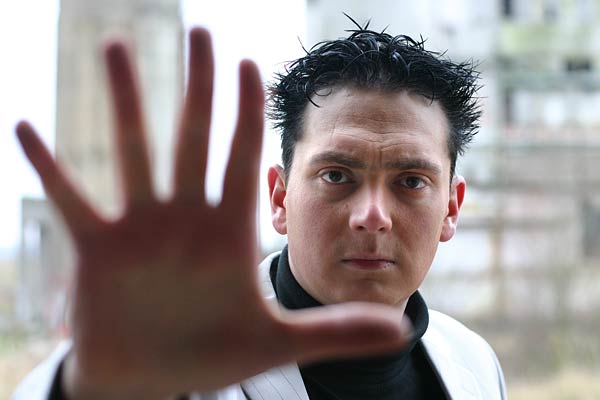
 Ты не только написал для альбома значительную часть музыки и текстов, но еще и много играл на нем. Но, тем не менее, на всех крупных фотографиях в буклете изображен только Борис…
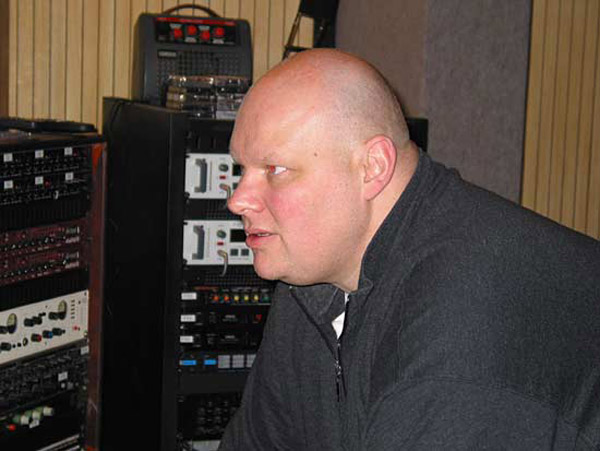
Борис – вокалист Der Bote, он находится в центре внимания на сцене, я же работаю в тени, и это меня совершенно не беспокоит и не задевает. Да, на моих плечах большая часть продюсерской работы, но музыку и тексты мы сочиняем вместе, да у меня и нет особого желания светиться на картинках. Мне кажется правильным, что внимание зрителя сфокусировано только на одном человеке.
А что ты можешь сказать о кавер-группе Бориса Feuerengel, исполняющей песни Rammstein?
Feuerengel помогла нам познакомиться, ведь именно с ней он хотел записываться в моей студии.
А эта запись была кем-нибудь издана?
Нет-нет, это было что-то типа промо, подарка для друзей, этот диск не был предназначен для широкой публикации. Разве есть смысл в издании точной копии с оригинала? Мне кажется, что нет. Вот если бы мы сделали что-то новое, например, аранжировки песен Rammstein в стиле биг-бэнд, тогда в этом издании был бы смысл.
“Kalt!” уже появился на прилавках в России. А как обстоят дела в Европе? Увидит ли он свет в Германии?
Ха, хороший вопрос! Может, вы слышали, что в последнее время немецкая сцена претерпела ряд серьезных изменений. Многие крупные компании объединились, а, став крупнее, решили, что их продажи недостаточно велики для того, чтобы поддерживать свой новый статус, и очень многих сотрудников просто выкинули на улицу. Тем не менее, после слияния они не стали принципиально крупнее, чем каждая из них была до этого. Так что на немецкой музыкальной сцене дела сейчас обстоят не очень здорово, по крайней мере, что касается крупных компаний. Кто знает, может, когда-нибудь ситуация изменится? Пока же заключить в Германии контракт с мажорным лейблом очень сложно, если не сказать невозможно. Мы разослали наш альбом по практически всем крупным компаниям, но нам отвечали: «Зачем нам подписывать вас, если рынок вполне устраивает Rammstein?”. Но представьте себе, что вы, допустим, 50 Cent, вы ищете контракт, приходите на лейбл, а вам говорят: «Зачем нам вас подписывать? Ведь есть же Пафф Дэдди!». То есть я хочу сказать, что это самая идиотская аргументация, которую я когда-либо слышал! Но мы ничего не можем изменить, именно так сейчас работают немецкие лейблы. Музыкальный бизнес переживает не лучшие времена, и менеджеры очень опасаются потерять свое место.
То есть на данный момент ваш диск издан только на CD-Maximum, и нигде больше?
Совершенно верно! Виктор очень помог нам, фактически, именно ему мы обязаны этим контрактом, и я ему очень за это благодарен. Видите ли, Германия очень странная страна. Вы знаете группу Scorpions? Как-то они начинали свое мировое турне в Германии, а заканчивали в Штатах. Так вот – на первом концерте того турне в зале было менее 100 человек, а на последнем – 77 тысяч! (Смеется). Они стали популярны в Америке, и только после этого – в Германии. Вот так работает немецкий рынок, это дико, но это так. Со Scorpions это случилось в начале 80-х, но в мозгах немцев с тех пор мало что изменилось. Прежде чем стать популярным в Германии, тебе нужно стать известным где-то еще, и Scorpions
 тому яркий пример. То же самое было и с Kraftwerk.
Что ж, будем надеяться, что Der Bote станут популярны в России, и тогда вас примет и немецкий рынок!
Я только об этом и молюсь! (Смеется). Если мы станем известными в России, это намного упростит наши взаимоотношения с немецкими лейблами. Мы сможем сказать им: «Чего еще вам нужно? Ведь мы стали популярны в России!» Тогда вся их аргументация, что им не нужен второй Rammstein, полетит в черту! Вы знаете Oomph!? Когда они появились, я тоже со всех сторон слышал, что никому не нужен еще один Rammstein, и буквально через несколько недель Oomph! выпустили сингл “Eins, zwei, drei, vier, Eckstein” (на самом деле песня называется “Augen Auf” – прим. ред.), который стал большим хитом. Успех этого сингла сделал абсурдными все их доводы, но они продолжают их использовать. Мне кажется, все это происходит только потому, что лейблы боятся вложить деньги в проект, вероятность успеха которого менее 140 процентов. Я иногда думаю: «Oкей, у вас есть замечательный материал, отличный исполнитель, у вас есть даже спонсор в лице, например, Mercedes, что еще вам нужно?». Но даже в этом случае менеджеры лейблов отвечают отказом, потому что боятся получить не мега-популярного артиста, а в случае неуспеха они сами будут уволены. В это и заключается главная проблема – они просто боятся быть уволенными, но не ошибается только тот, кто ничего не делает.
Каковы планы на будущее Der Bote? Насколько нам известно, вы уже работаете над новыми песнями…
Да! Когда мы заключили контракт с CD-Maximum, у нас как будто бы появился новый источник энергии, и мы с новыми силами вернулись к написанию материала. У нас уже есть новые идеи в отношении текстов, так что скоро ждите новый альбом.
В начале нашего интервью ты сказал, что занят в других проектах. В каких группах ты сейчас принимаешь участие? И каких проектов стоит ожидать от тебя в будущем?
Кроме Der Bote, я уже около семи лет занимаюсь продюсированием парня по имени Лотто Кинг Карл. Это местный гамбургский музыкант, играющий рок-н-ролл с типичным гамбургским юмором. Еще у меня есть группа Real Groove Band, мы с ними выступали от Electrovoice (выдающийся немецкий производитель микрофонов, акустических систем и усилителей – прим. ред.) на немецкой музыкальной ярмарке. Это кавер-группа, исполняющая широкий спектр песен, начиная от старых песен Earth Wind & Fire и Tower Of Power и заканчивая Питером Гэйбриелом. Еще я продюсирую одну девушку по имени Айрин Хени (имя и фамилия записаны на слух, и мы не уверены в правильности их правописания – прим. ред.), надеюсь, нам скоро удастся получить для нее контракт. Она играет музыку, находящуюся на пересечении рок-н-ролла и металла. Затем у меня есть еще пара групп, которым я помогаю в студии, но они пока еще не достигли сколь-нибудь серьезных успехов, чтобы об этом можно было говорить. В довершение ко всему я преподаю в академии в Маннхайме, единственной поп-академии в Германии. Я обучаю студентов работе в группе, игре на басу и так далее, так что у меня достаточно напряженный график.
Но Маннхайм ведь где-то на юге Германии, так?
Совершенно верно, а я живу на севере. И если у меня лекции или занятия с группой, мне приходится ехать около 600 километров туда и столько же обратно.
Ты хорошо известен как в мире джаза, так и в рок-мире. А с чего ты начал свою музыкальную карьеру – с джаза или с рок-музыки?
(Смеется). Наверное, и с того, и с другого! Еще в 1970-х, в мои школьные годы, на меня огромное влияние оказал Стэнли Кларк, потом появились Level 42, но играть музыку меня подтолкнули все же Uriah Heep. Так что я всегда находился между роком и джазом.
За годы своей карьеры ты успел переиграть со многими интересными музыкантами и исполнителями. Работу над каким из альбомов ты бы назвал самой интересной или самой сложной?
(Вздыхает). Самой трудной была работа над последним альбомом Real Groove Band. Этот была концертная запись нашего выступления на немецкой музыкальной ярмарке в 2004 году. Песни, которые мы отобрали для альбома, были достаточно сложными – две песни Tower Of Power, одна Earth Wind & Fire – во всех них очень сложная басовая партия. Но, в общем и целом, чем меньше идей у продюсера, тем сложней музыканту. Бывает, иногда приходишь в студию, слушаешь пару аккордов, и спрашиваешь: «Так что мне играть?», а он тебе отвечает: «Не знаю! Сыграй что-нибудь». Вот это действительно сложно! Хотя я не знаю, хорошо это или плохо, но так или иначе, всегда интересно сделать что-нибудь не по шаблону. Над альбомом Der Bote было тоже нелегко работать, например, в “Todgeweiht” очень сложная партия баса, я просто весь взмок, пока ее сыграл.
Да, если внимательно слушать альбом Der Bote, то можно обратить внимание, что партии баса там совершенно не типичны для подобной музыки…
Согласен. Обычно для достижения более мощного, плотного звучания басист дублирует партию гитары. Так работают Rammstein, Megaherz и иногда даже Lacrimosa. Но для басиста интереснее играть свою собственную партию. К тому же, не нужно забывать, что у меня классическое фанк-джаз-рок образование, и мне иногда хочется сыграть дополнительные басовые партии, а не просто подыгрывать гитаристу. Хотя на одной из песен, “Schuldig”, где я играю на гитаре, партия баса все-таки в точности повторяет партию гитары. Еще одна вещь, которая отличает нас от Rammstein, это то, что мы не стараемся сделать запись максимально квантированной. Я не хочу, чтобы наш альбом был настолько «цифровым», как записи Rammstein, потому что они стараются делать свои партии максимально точными и синхронизированными, а мне бы хотелось, чтобы в нашем альбоме чувствовалась рука человека. Все, что вы слышите, кроме, конечно, запрограммированных струнных аранжировок, все это совершенно не квантированно. Мы не квантировали даже ударные, хоть они и звучат не идеально, но, мне кажется, именно это и делает их звук более естественным и привлекательным.
Ты музыкант и продюсер, ты сочиняешь свои песни и записываешь чужие в своей студии. Скажи, у тебя остается время для того, чтобы просто послушать музыку для удовольствия?
Хороший вопрос! Обычно, когда я слушаю музыку, то слушаю ее для ознакомления, то есть всегда пытаюсь ее анализировать. Но, конечно, есть музыка, которую я слушаю просто для удовольствия, не разбирая по составным и не анализируя, просто потому, что это хорошая музыка. Большую ее часть я не понимаю: например, классическую музыку иногда бывает очень сложно понять. Ее сложно проанализировать, и поэтому я и не пытаюсь, и просто ей наслаждаюсь. То же самое относится и к авторам-исполнителям типа Евы Кессиди или Холли Коул. Но если дело касается музыки, в которой я разбираюсь, то ее я всегда анализирую. Иногда такой подход меня самого жутко раздражает, но я ничего не могу с этим поделать. Но как продюсер я должен уметь воспринимать музыку целиком, быть в состоянии оценить полную картину. Ведь, например, если ты будешь слушать музыку только аналитически, то как продюсер наделаешь кучу ошибок, как говорится, заблудишься в трех соснах. (Дружный смех).
Выражаем благодарность Ирине Ивановой (CD-Maximum) за организацию этого интервью.
Вопросы задавали Роман Патрашов, Наталья Хорина
Перевод с английского – Наталья Хорина
20 июня 2005 г.
26 июл 2005
 |

|